
There is a lot of waste that could be reused in the household. With a little creativity, glass jars, old clothes, cardboard boxes, plastic bottles and used furniture can have new roles to play. Repurposing is a money saver, waste reducer and personality adder to a house. There is no need for complicated crafting and complex materials; a few simple changes can transform everyday objects into useful organizers, decorations, or gifts.
Glass Jars and Containers
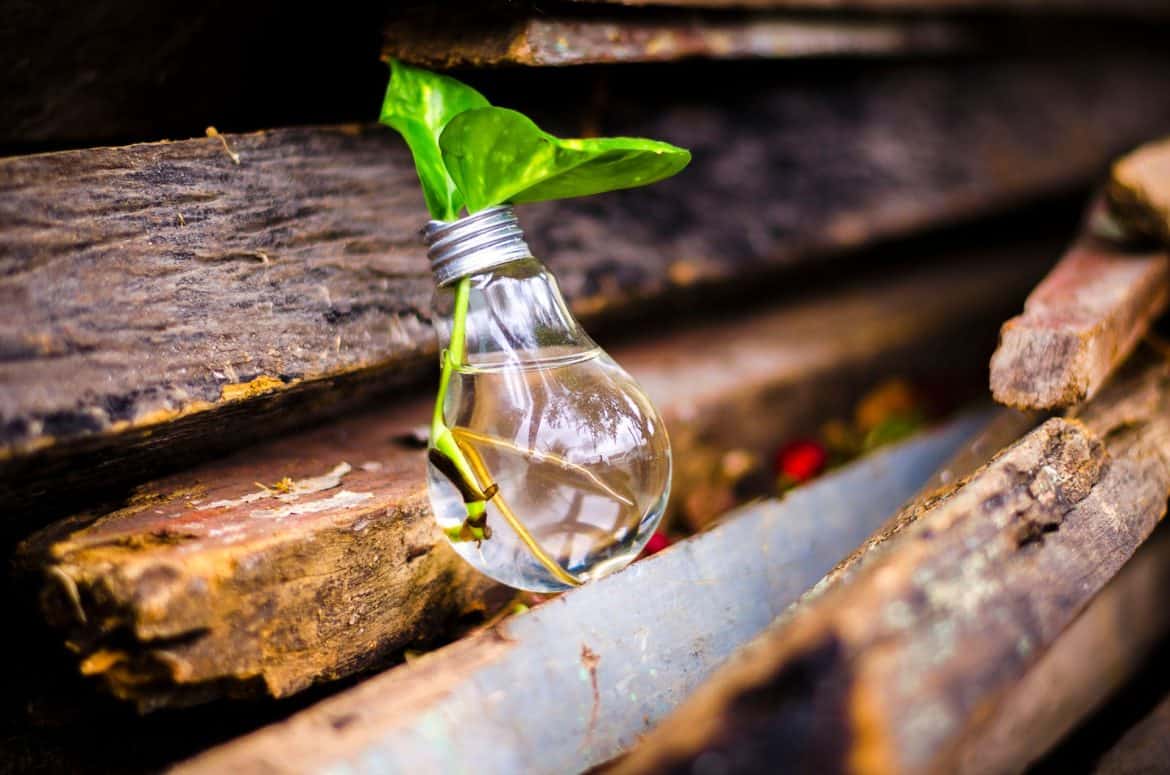
Glass jars are one of the most useful things to have in the house. Thoroughly clean them, strip off labels and store dry food like rice, lentils, spices, tea or pasta. They have clear sides so you can easily see contents and lids preserve freshness of ingredients.
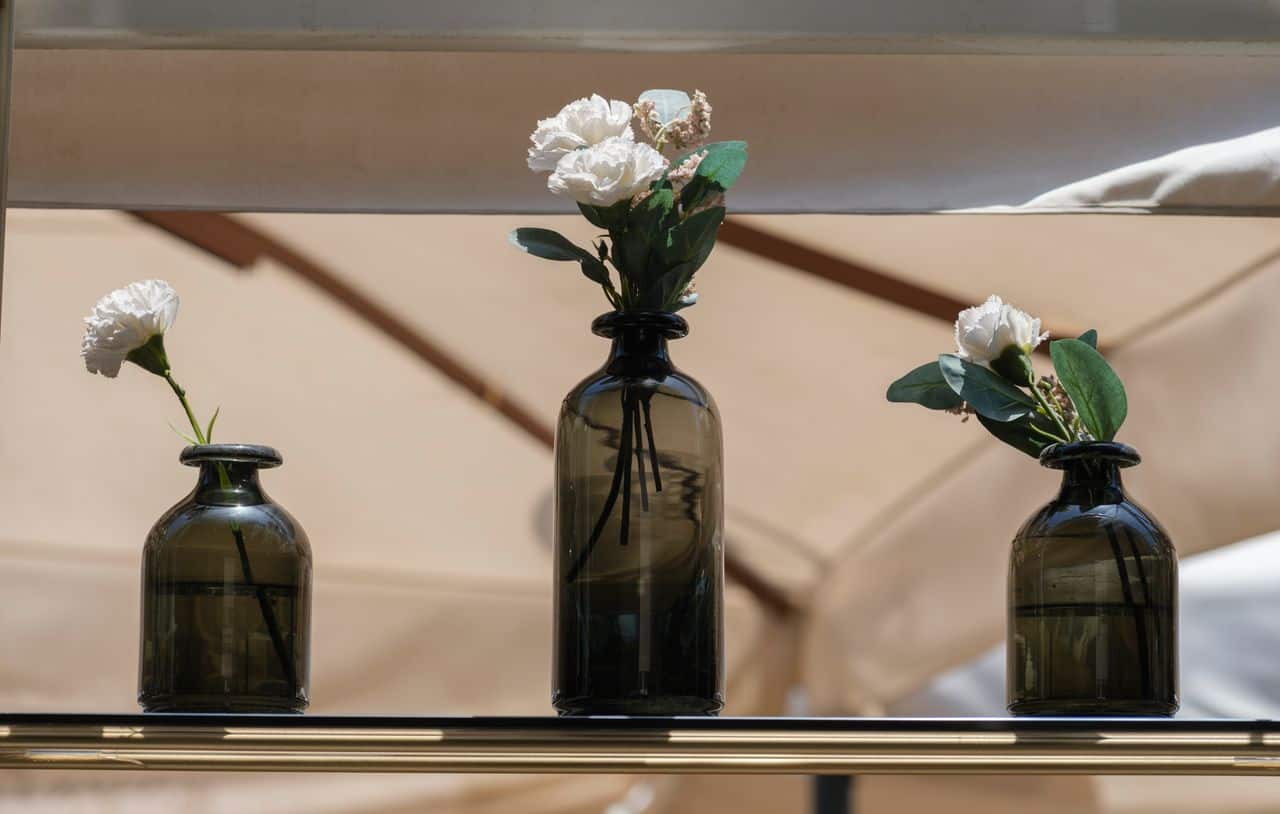
Jars can even be used as bathroom organizers for cotton pads, brushes or toothbrushes. They can hold pens, scissors and small craft materials in a study. Decorate with dried flowers, pebbles, fairy lights or homemade candles. Loose coins, sewing materials, or larger jars can be used for larger jars.
Cardboard Boxes and Tubes
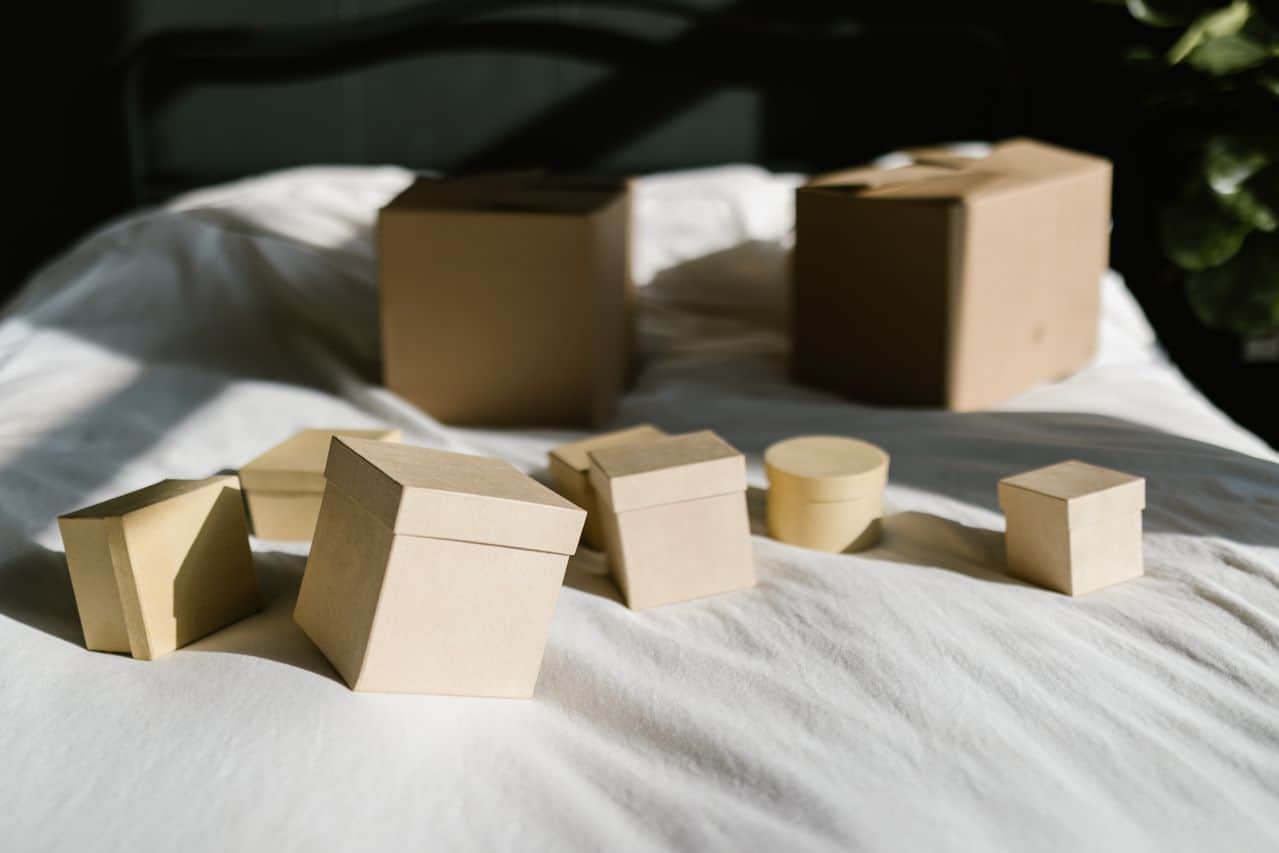
Discarded cardboard boxes can be turned into storage boxes. Wrap them in cloth, wrapping paper or paint them, and pop them away to store toys, paperwork, shoes or seasonal decorations. For tidying up stationery, cables, make up or socks, cut smaller boxes into dividers for your drawers.
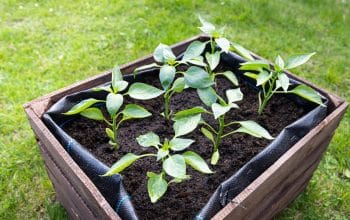
Paper towel tubes or wrapping paper tubes can be used to bundle up cables, store ribbons or pack paintbrushes. They can be used as binoculars, castles, rockets or animal figures for children. Cardboard can be used to line planters or as a seed starter that will decompose over time to provide garden beds with a natural growing environment.
Old Clothing and Fabric
Worn clothes can be given a second life by simple mending and re-designs. Use old T-shirts for cleaning cloths, carry bags or pillow covers. Denim jeans can be transformed into storage pockets, aprons or plant holders. Damaged sweater can be turned into cushion cover or pet bedding.
Fabric scraps can be used to wrap gifts, make bunting or patchwork projects. New things can be dressed up with buttons, zippers, or lace, or existing clothes can be dressed up with them. Before throwing out clothes, think about donating, transforming or using them in a creative way.
Plastic Bottles and Containers
Plastic bottles can be used in the garden. Divide a bottle into a miniature planter, watering scoop or self watering bottle. A funnel with a narrow neck can be made from bottles by adding caps, or drip irrigation can be set up for potted plants.
In the home, bottles can be used for craft supplies, homemade detergent, or cleaning supplies. Decorated and cut bottles can be used as pencil holders or desk organizers. Thoroughly clean containers, particularly when used to store food, plants or children’s resources.
Furniture and Wooden Items
Old furniture can be refurbished; it does not need to be replaced. A wooden ladder can be transformed into a bookshelf or blanket rack. A spare chair can be repurposed into a bed side table or plant stand and painted. Cabinets that are broken apart and have drawers removed can be converted into wall cabinets or under bed storage units.
Wooden crates and pallets can be used for shoe racks, garden planters, or storage benches. Sand off the rough edges, apply a safe finish and make it stable before using for seating or for heavy items. Simple details like new handles, paint, or wheels can make a world of difference in terms of both looks and usability.
Kitchen Items and Miscellaneous Objects
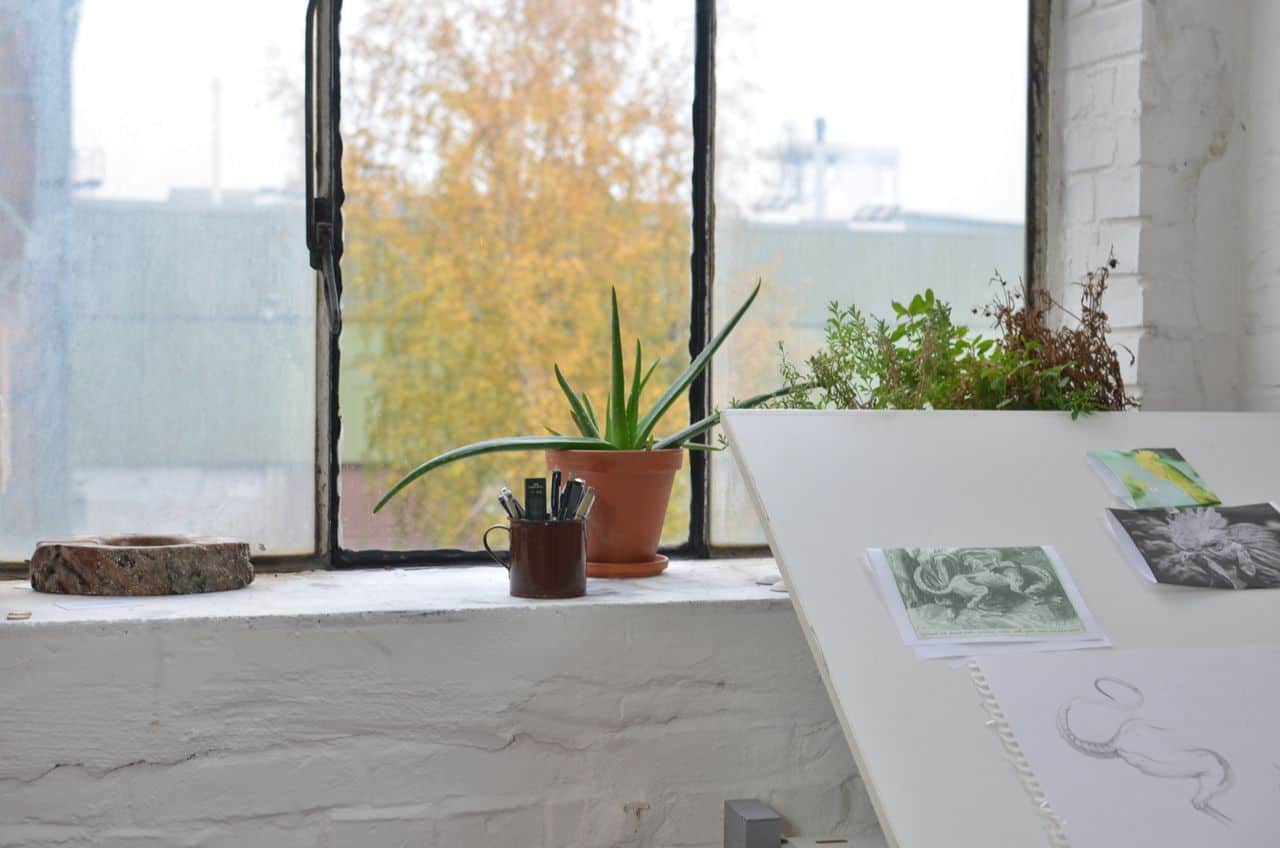
Many items in the kitchen can be used for purposes other than cooking. Use muffin tins to keep jewellery, screws or craft beads in order. Herbs can be frozen in oil in ice cube trays, small items can be stored or earrings can be organized in ice cube trays. Old mugs can be used as brush holders, pens, or kitchen utensils.
With a little bit of care, cleaning and smoothing the edges, the tin cans can be used as pen holders, lanterns or planters. Small hardware can be stored in egg cartons, seedlings can be started, or egg cartons can be used as paint palettes. Any broken jewellery can be utilized for picture frames, bags or handmade cards.
Making Repurposing a Habit
The secret to the successful re-use is to find potential before disposal. When discarding an item, consider how it could be used to store, organize, decorate or support a project. Have a small container of clean materials like jars, fabric, ribbon and cardboard to use in the future.
Repurposing activities must be practical. Don’t accumulate too much in your artist’s studio for the sake of creativity and make sure that any re-used items are clean and safe. Thoughtful use of everyday items can be useful, beautiful, and meaningful to the home, while also limiting the waste and fostering resourcefulness.